


For loved ones
Eating disorders affect more than the individual—they impact families, relationships, and support systems. At Within, we believe recovery is strengthened through connection.
Our loved ones program centers on connection-focused care (CFC), our signature relational model for eating disorder treatment. We view parents, partners, and caregivers as essential allies in the recovery journey. Through specialized education, active coaching, and continuous collaboration, we help families navigate healing together—restoring trust, deepening bonds, and building a foundation for lasting recovery.



A different approach to family involvement
Many treatment programs view families and loved ones as observers or occasional participants. Connection-focused care takes a different approach.
We recognize that meaningful recovery happens within the context of everyday relationships. Loved ones often provide the consistency, support, and encouragement necessary for long-term healing.
Our program helps caregivers:
- Understand eating disorders and recovery
- Support nutritional rehabilitation and recovery behaviors
- Respond effectively to eating disorder symptoms
- Build confidence in their role as caregivers
- Strengthen communication and relational safety
- Navigate challenges with compassion and clarity
Why involvement from
loved ones matters
Having a support system while recovering from an eating disorder is extremely important.
We recognize this at Within, which is why we focus on connections. Our connection-focused care model is built on the following core principles:
Loved ones are central to healing, providing stability, safety, accountability, and encouragement.
Collaboration without blame. Caregivers learn how to support their loved ones without shaming, blaming, or criticizing.
Nourishment creates the foundation for healing. We help families and loved ones learn how to offer support during mealtimes and create an environment that promotes recovery.
The eating disorder is not the person. This helps loved ones and patients work together instead of against each other.
Recovery includes discomfort: We teach caregivers and support systems how to respond with consistency, support, and confidence.
Consistency strengthens recovery: We believe that recovery is strengthened when caregivers and support systems share the same expectations and goals.



Levels of care available
We offer two levels of care at Within. Both encourage family, loved one, and caregiver participation and provide education, coaching, and opportunities for collaboration with the treatment team.
Enhanced partial hospitalization program (PHP)
Our enhanced partial hospitalization program is our highest level of support, keeping families and loved ones actively involved during recovery.
Enhanced intensive outpatient program (IOP)
As our patients progress through treatment, their loved ones continue to participate in their loved ones’ treatment program and help them practice recovery skills in everyday life.
Our treatment approach
Our treatment programs are evidence-based, integrated, and always involve caregiver and family support. Treatment may include:
- Individual therapy
- Family therapy
- Nutritional rehabilitation
- Meal support
- Psychiatric care
- Skills-based groups
- Caregiver education and coaching

Care team
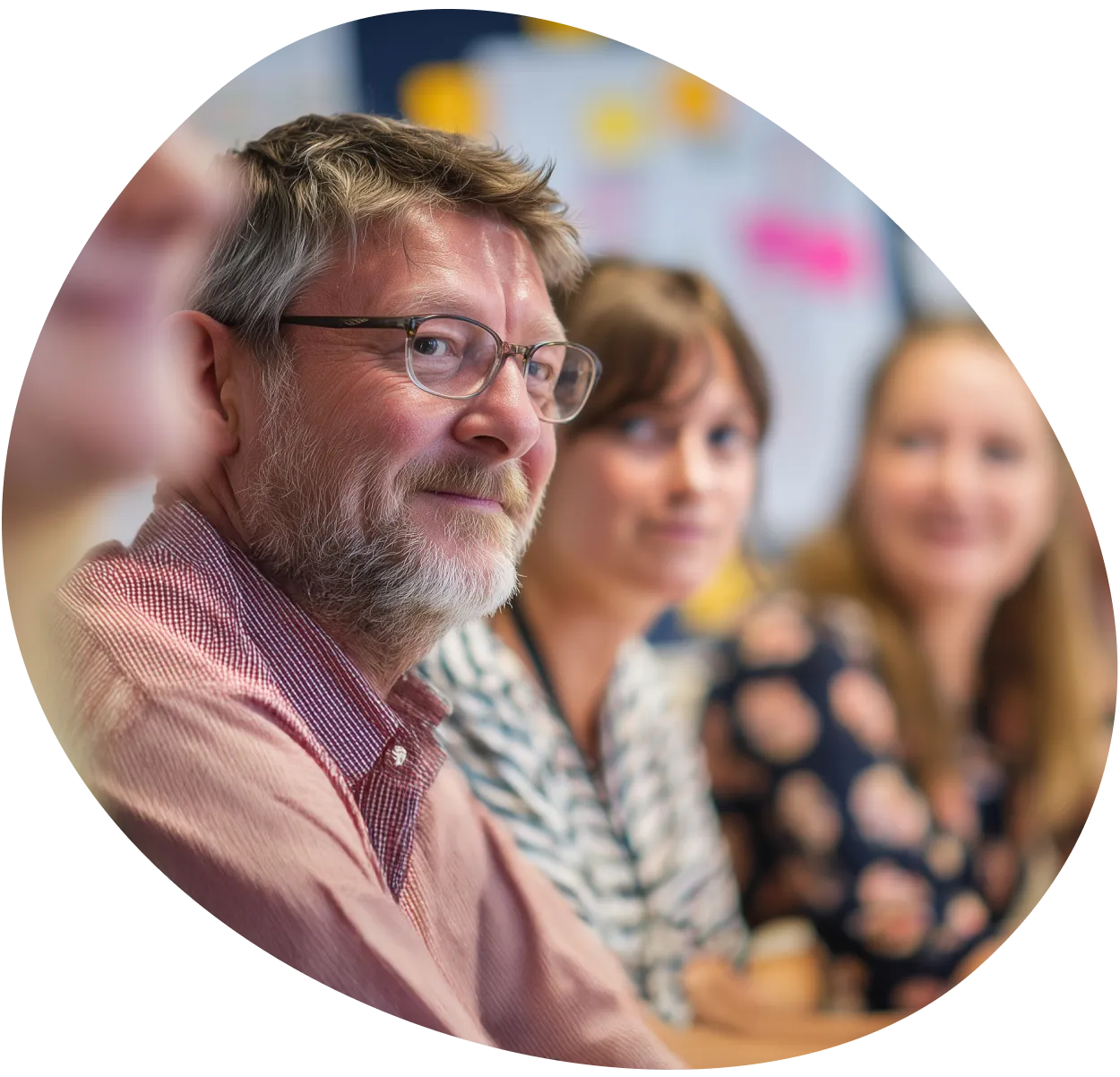
Our multidisciplinary care team collaborates closely with your inner circle to ensure everyone is aligned on your recovery goals and treatment priorities. This comprehensive network of support includes:
- Individual therapy
- Family therapy
- Nutritional rehabilitation
- Meal support
- Psychiatric care
- Skills-based groups
- Caregiver education and coaching
What to expect
Families and loved ones are integrated into treatment from the very beginning. Depending on individual needs, participation may include:
- Family therapy sessions
- Caregiver education
- Treatment planning discussions
- Meal support coaching
- Communication and relationship-building work
- Progress reviews with the care team
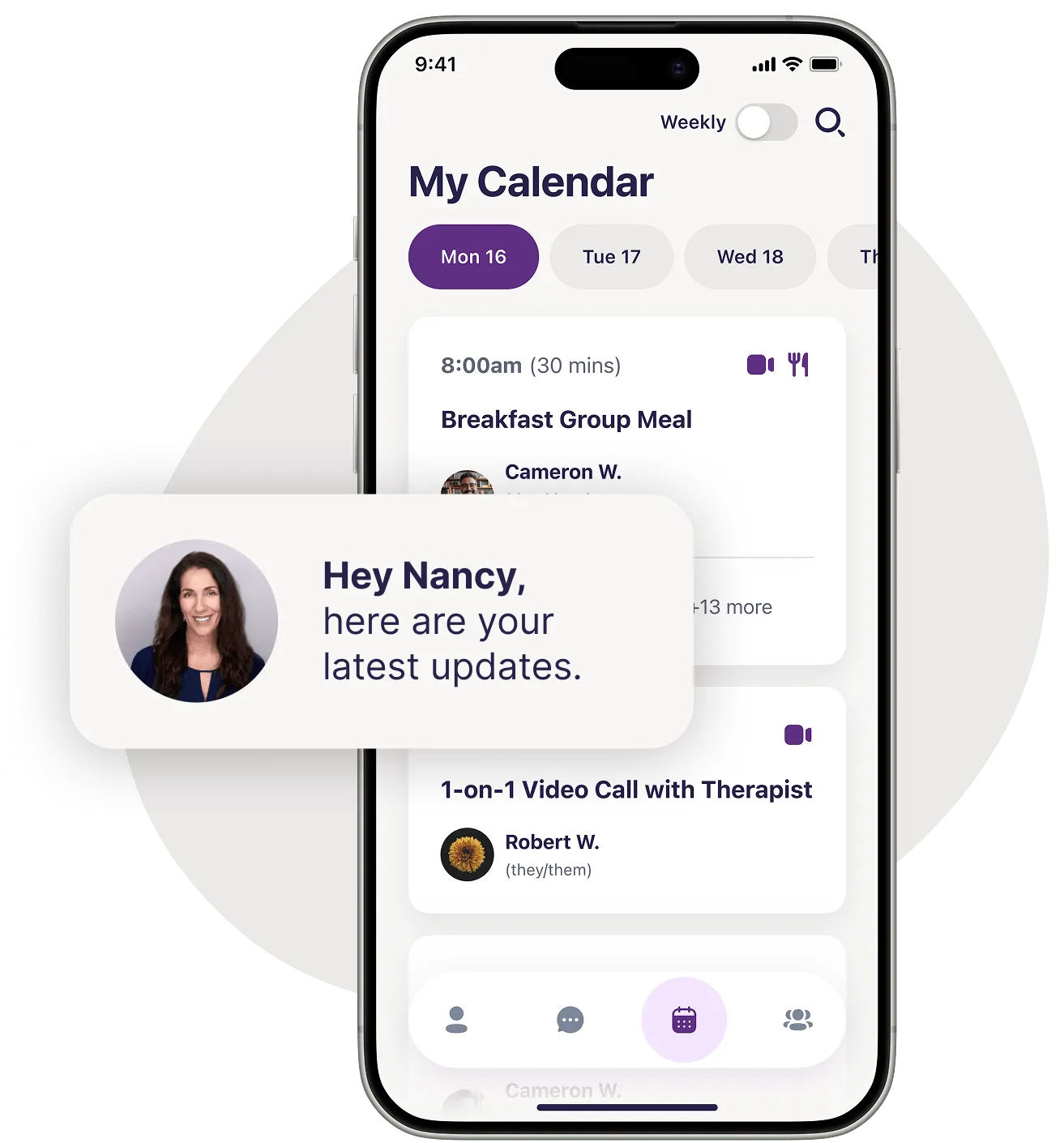
Because our programs are virtual, both patients and their loved ones can participate from home and practice recovery skills within their real-life environments. This allows healing to happen where life happens.

Who this program is for
This program may be a good fit for you if you:
- Are supporting someone with an eating disorder
- Want practical tools to help with recovery
- Feel unsure how to respond to eating disorder behaviors
- Want greater confidence in your caregiving role
- Are seeking guidance without judgment or blame
- Want to strengthen family relationships during recovery
Benefits for loved ones
Families and loved ones who participate in treatment often gain:
- Greater confidence supporting recovery
- Improved communication and connection
- Increased understanding of eating disorders
- Practical skills for navigating challenges
- Stronger alignment with the treatment team
- Enhanced relational trust and safety
- Tools to support long-term recovery after treatment
Recovery is not something that families and loved ones must navigate alone. Through connection-focused care, we empower caregivers to become partners in the healing process.


Ongoing support after treatment
Recovery is a lifelong journey—and no one should have to walk it alone. To keep your support system strong, Within offers free, ongoing support through family groups and alumni meetings. These spaces provide your loved ones with continued community, shared wisdom, and guidance long after formal treatment ends.

Help us understand your needs so we can support you
Call us today to learn more about our personalized treatment programs. A healthier life free from eating disorders is in reach.